

Fly Fishing Vests vs. Packs: Which Carry System Fits You?
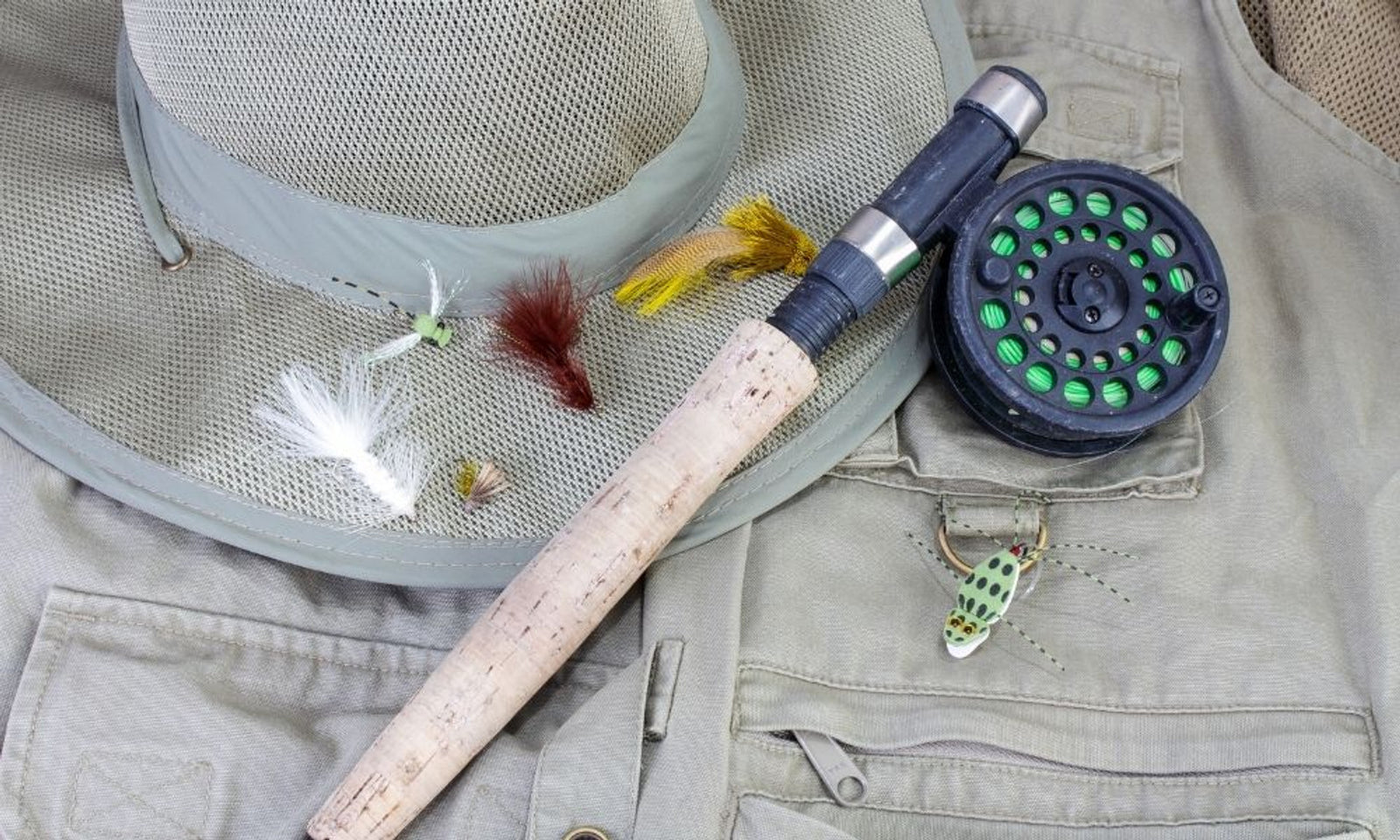
How you carry your gear shapes your whole day on the water. The vest-versus-pack question really comes down to how far you walk, how much you carry, and how you like to work. Here's how we break it down for customers at the shop.
The classic vest
Everything visible, everything one zipper away, weight spread across your shoulders. A vest is still the fastest system for changing flies mid-drift, and modern ones are lighter and better organized than the old canvas versions. Downsides: they're warm in July, and loaded vests can feel cluttered if you're a minimalist.
Sling packs
The guide favorite around here. A sling rides on your back while you fish, then swings around front to become a workbench. Great capacity for a full day wading the Gorge, keeps your chest open for deep wading, and most fit a water bottle and rain shell. If you fish hard all day and change rigs a lot, start here.
Hip packs
Cool, simple, and surprisingly roomy. A hip pack keeps weight off your shoulders entirely — the pick for hot summer days on the Uncompahgre or long hikes into the San Miguel's upper water. The catch: wade past your waist and your pack is swimming. Know your rivers.
Chest packs and lanyards
For minimalists. One fly box, tippet, floatant, nippers — done. Perfect for an after-work hour on town water or creek fishing where speed beats capacity. Plenty of our guides run a lanyard plus a pocket and nothing else on familiar water.
Our advice
Match the system to your longest typical day, not your shortest. If you're hiking, go hip or sling. If you're boat fishing, a small pack or boat bag covers it. Come try them loaded at the shop in Montrose — how a pack feels with three boxes and a water bottle in it is the real test.