

Fly Reel Backing: What It Does and How Much You Need
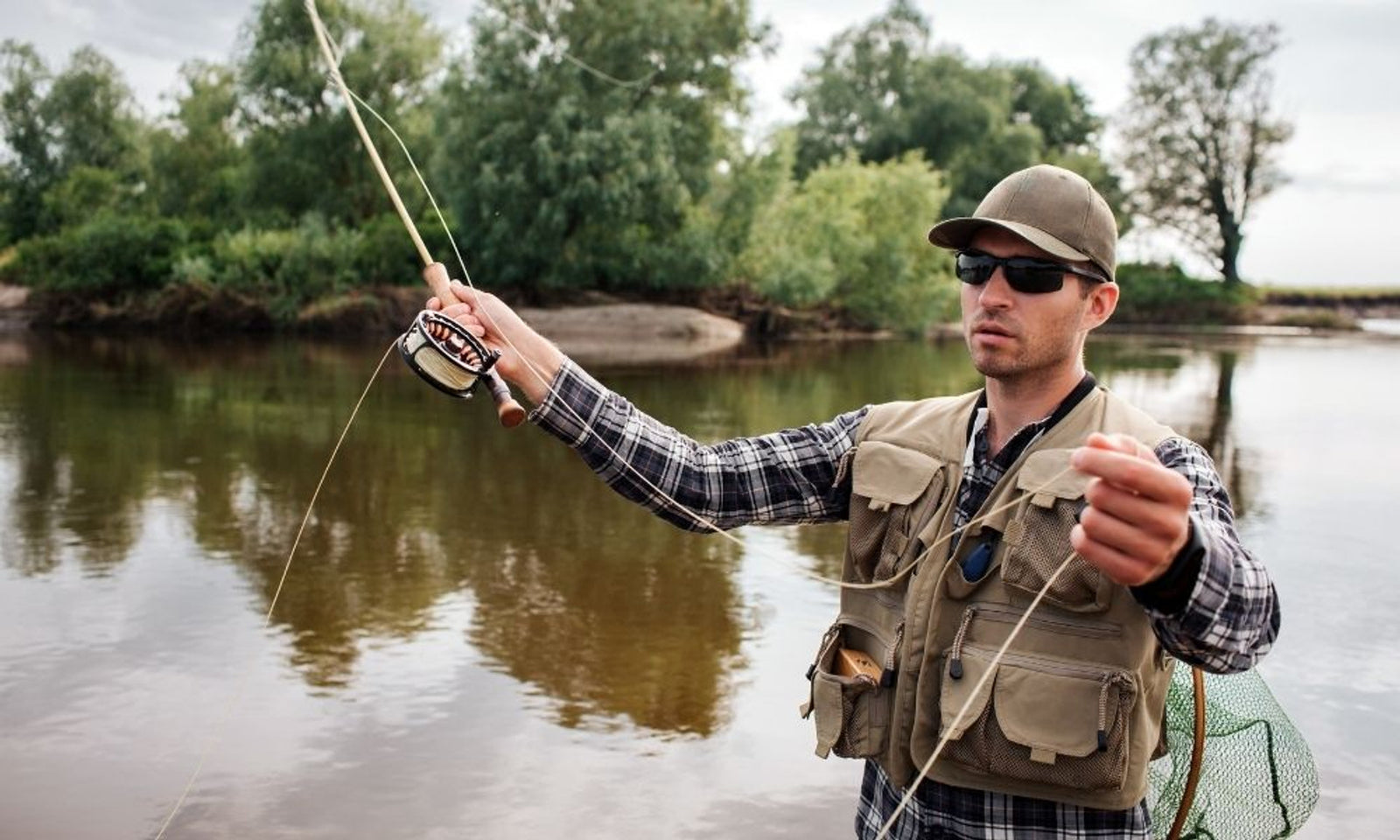
Backing is the thin braided line between your reel's spool and your fly line. Most days on the water you'll never see it. It still matters — here's why, and how much you actually need.
What backing does
Two jobs. First, insurance: when a strong fish runs past the 90 or 100 feet of your fly line, backing keeps you connected. Second — and honestly more important for day-to-day trout fishing — it fills the spool. A fuller spool means each turn of the handle picks up more line, and your fly line comes off in bigger, looser coils with less memory.
How much do you need for local water?
For the Gunnison, Uncompahgre, and San Miguel: 75–100 yards of 20 lb Dacron is the standard fill, and a healthy brown in fast current can absolutely take you into it. You don't need more; you'd struggle to fit more anyway. Going after lake trout, pike, steelhead, or anything salty? That's when 150–250 yards and 30 lb gel-spun backing enter the conversation, along with a bigger reel.
Dacron vs gel-spun
Dacron is cheap, durable, and easy to knot — the right answer for trout. Gel-spun is far thinner for its strength, so you can pack more yards on the same spool, but it's expensive and can cut into itself (or your fingers) under load. Trout anglers can skip it.
Let the shop spool it
Getting backing on tight and even matters — loose backing digs into itself when a fish finally pulls hard. Buy a reel or line from us and we'll spool it properly while you wait, no charge. Two minutes with the winding machine beats fighting it at the kitchen table.