
What Size Fly Reel Should You Buy? A Simple Guide
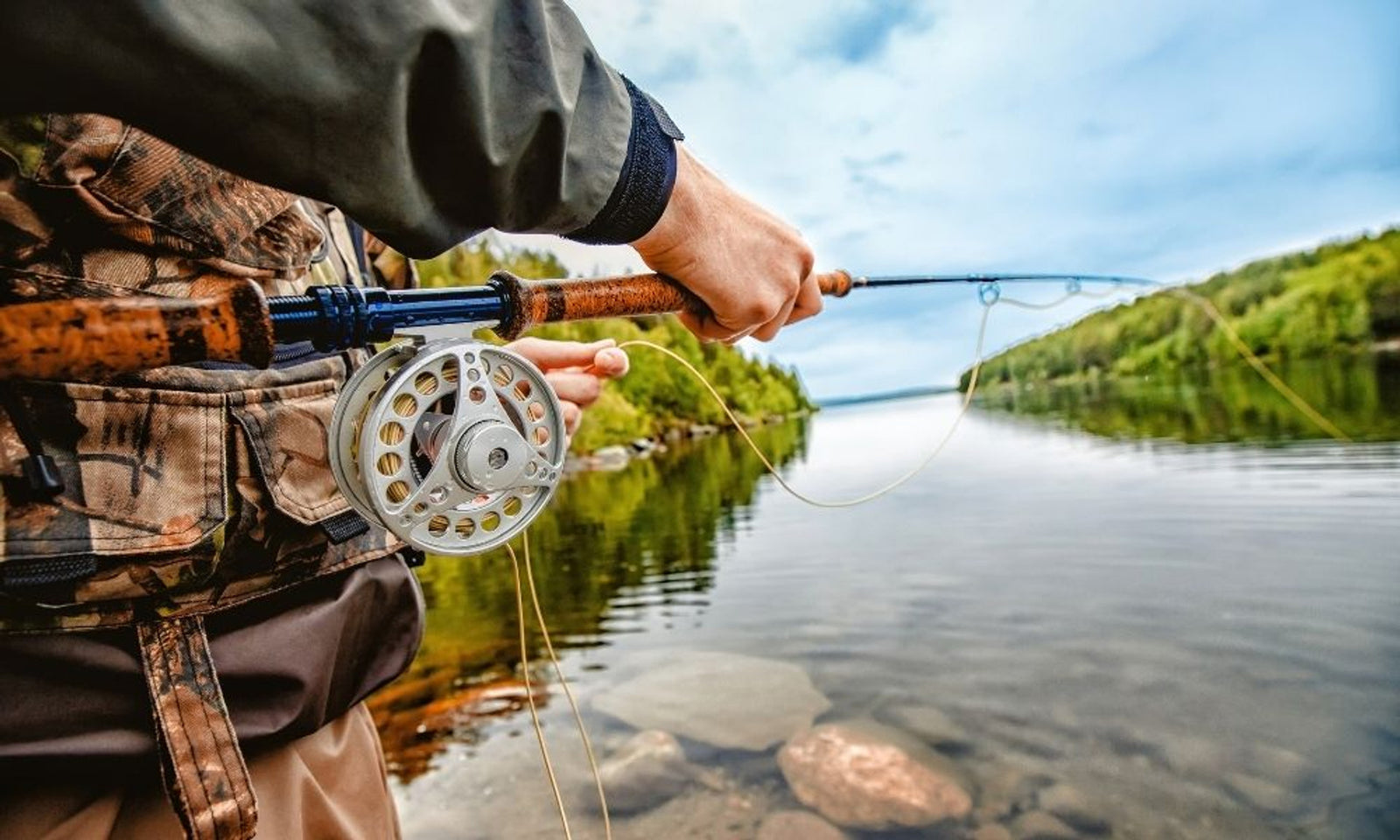
Fly reel sizing trips up a lot of anglers, but the rule is simpler than the spec sheets make it look: match the reel's stated size to your rod's line weight, then fine-tune for balance and backing. Here's the quick version we give customers at the shop.
Match the number on the reel to the number on the rod
A reel marked 4/5 is built for 4- and 5-weight lines; a 5/6 covers 5 and 6. For the trout water around Montrose — the Gunnison, Uncompahgre, and San Miguel — a 5-weight rod with a matching 4/5 or 5/6 reel is the do-everything setup. If you're building a streamer or big-river rig around a 6- or 7-weight, size the reel up accordingly.
Balance matters more than brand
Put the reel on the rod, string it with line, and rest the rod on one finger just ahead of the grip. A well-matched outfit balances close to that point. A reel that's too heavy makes the rod feel dead; too light and the tip dives. This is why we encourage people to pair rod and reel in the shop rather than guessing online — five minutes of hands-on beats an hour of reading specs. Our Ross vs Lamson vs Abel comparison digs into specific models.
Think about backing capacity
Trout fishing here rarely takes you deep into backing, but big-water fish can. A standard trout reel holds 75–100 yards of 20 lb backing plus your fly line — plenty for the Gunnison. If your plans include steelhead, salt, or lake fish that run, buy the larger arbor.
Large arbor is the default now
Large-arbor reels pick up line faster, reduce line memory, and balance modern fast rods well. Unless you're building a classic glass or bamboo setup, it's the sensible choice.
Want it dialed in for you? Bring your rod by the shop, or start with our fly reel collection — we stock Ross and Abel, both machined about forty minutes from our front door.